

Budry
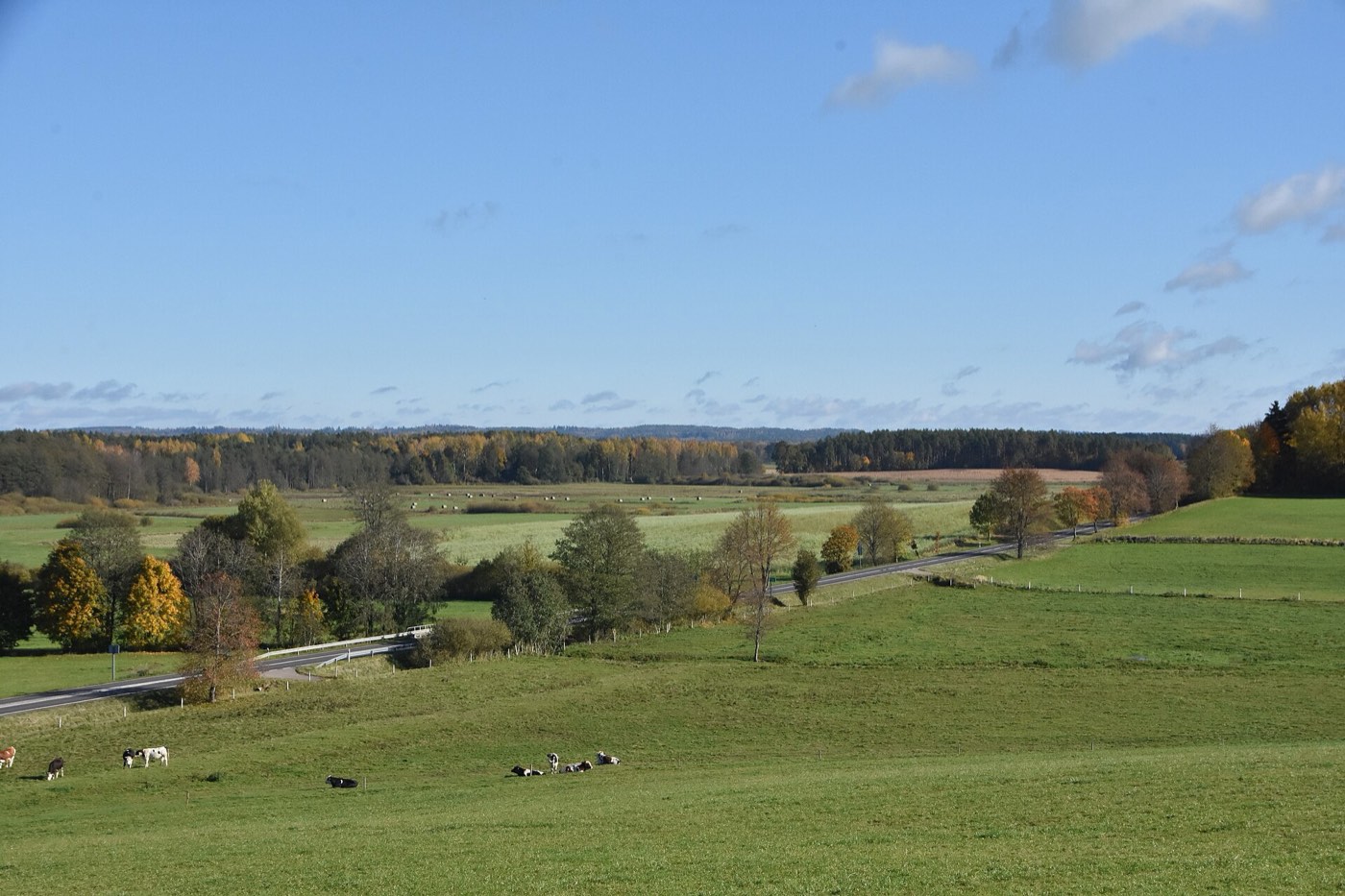
A rural municipality in Węgorzewo County, in the north-eastern part of the Warmia-Masuria Voivodeship. It lies right on Poland’s border with the Kaliningrad Oblast of the Russian Federation. It covers 175.02 km² and has about 2,500 residents in 16 village councils. The landscape is mostly flat and, unlike the rest of the Masurian Lake District, has no lakes.
Overview
- Area: 175.02 km²
- Population: 2,458 (Statistics Poland, 31 December 2025)
- Village councils (sołectwa): 16
- The municipality adjoins the border with the Kaliningrad Oblast; there is no operating border crossing in Węgorzewo County
- Farmland covers about 70% of its area, forests about 20% (2002 data)
- Voivodeship road 650 Węgorzewo–Gołdap passes through Budry
- The Green Velo cycling route crosses the municipality from west to east
Rivers and the Skaliska Forest
The Węgorapa, the Gołdapa and the Brożajcki Canal flow through the municipality. The canal was dug in 1733 to a design by Jan Suchodolec. The municipality includes the Skaliska Forest (Lasy Skaliskie) complex with its boreal forest. Two Natura 2000 sites have been designated here: Ostoja Skaliska and Lasy Skaliskie.
Villages and manor houses
The village of Budry was founded in 1565 under a grant from Duke Albert of Hohenzollern. After the Second World War, Ukrainian families resettled in Operation Vistula (akcja „Wisła”) moved into the abandoned villages.
- Więcki, Pochwałki, Budzewo — former manor houses
- Zabrost Wielki — historic village buildings
Authorities
Head of the Municipality (Wójt): Mariusz Molda (term 2024–2029)
Cooperation within the WMSP
This local government takes part in the shared territorial strategy of the borderland through 2030 and in the CuRI 2026–2027 programme (Eastern Border Regions Catching-up Regions Initiative, European Commission + World Bank).